
Specialist Urologist & Andrologist · Dubai
Low Energy, Weight
Changes, Loss of Drive?
Low Energy, Weight Changes, Loss of Drive?
A Specialist Can Help.
Comprehensive testosterone evaluation and personalized treatment in Dubai. From Dr. Anis Haddad — Specialist Urologist & Andrologist with 17+ years of international experience.
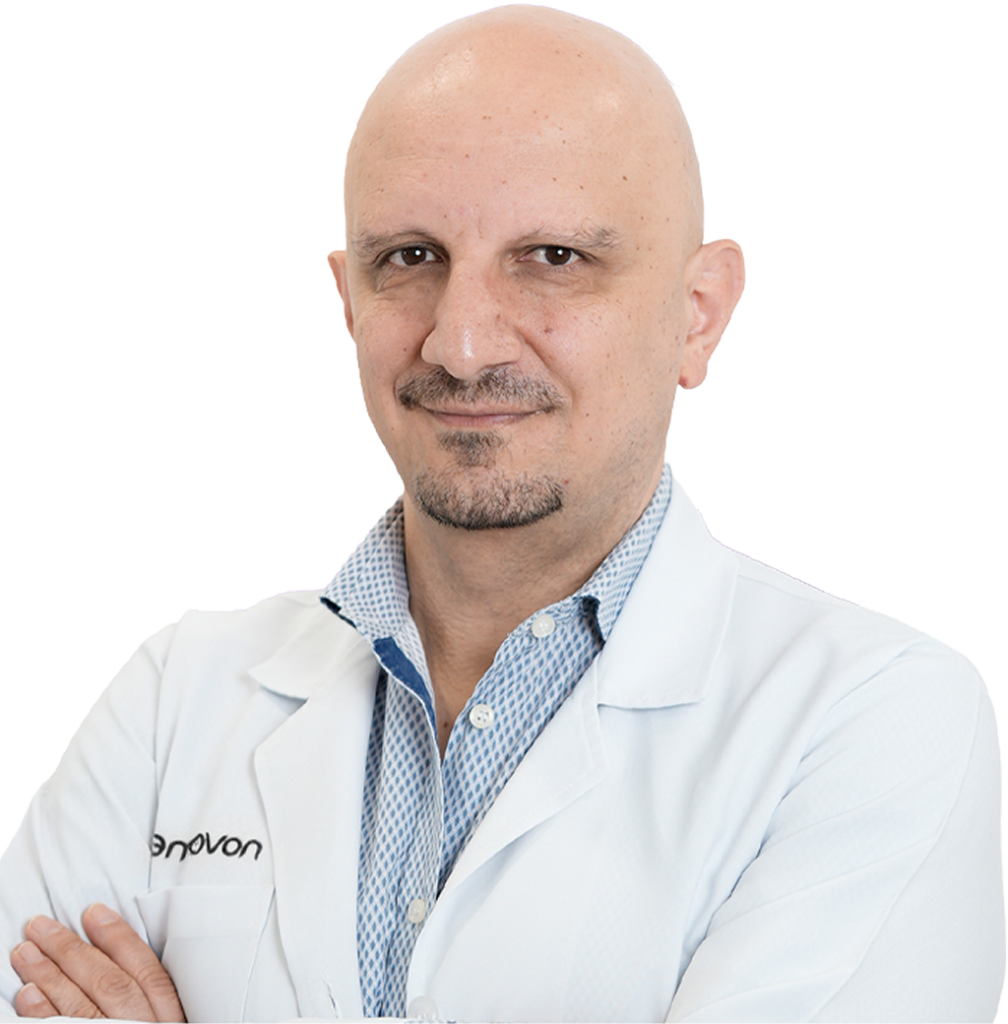
Dr. Anis Haddad
- 17+ Years Experience
- Confidential
- DHA Licensed
- Evidence-Based Protocols
- Oxford Fellowship in Sexual Medicine
- 17+ Years Experience
- Confidential
- DHA Licensed
- Evidence-Based Protocols
- Oxford Fellowship in Sexual Medicine
Recognize the Signs
- Many men experience changes in energy, mood, or motivation without realizing there may be a medical explanation. Low testosterone — or hypogonadism — can contribute to:
- Persistent fatigue even after adequate sleep Reduced sex drive or changes in sexual function Loss of muscle mass or strength Difficulty losing weight, particularly around the abdomen Brain fog, low motivation, or mood changes Sleep disturbance or low sleep quality A sense of not feeling like yourself
- These symptoms can develop gradually. If they resonate with your experience, an evaluation can determine whether low testosterone is a contributing factor.
Understanding Testosterone
Replacement Therapy
Testosterone replacement therapy (TRT) is a medical treatment that restores testosterone levels in men whose bodies produce insufficient amounts. When appropriately prescribed and monitored, it can improve energy, mood, sexual function, and body composition.
Multiple peer-reviewed studies demonstrate the effectiveness of properly managed TRT in improving:
- Energy and fatigue: Significant improvements in energy levels within 3–6 weeks of starting appropriate TRT.
- Sexual function: Enhanced erectile function and sexual desire within 3–6 months.
- Mood and motivation: Better mood, motivation, and sense of well-weing within 4–8 weeks.
- Body composition: Improvements in muscle mass and reduction in abdominal fat over 6–12 months.
Individual results may vary.
While generally well-tolerated, TRT can cause side effects. With proper monitoring, most are manageable:
- Increased hematocrit (red blood cell count): Occurs in 5–10% of men. Managed through regular blood work and dose adjustment. May require blood donation if elevated significantly.
- Acne or oily skin: Occurs in 10–15% of men, usually mild. Managed through skin care routine or dermatology referral if severe.
- Mood changes: Some men report increased irritability initially (usually resolves within 2–4 weeks as body adjusts).
- Fluid retention: Mild in most cases, managed through diet and dose optimization.
- Breast tenderness: Rare (1–3%), usually managed through estrogen-blocking protocols.
TRT is not appropriate for all men. You should not begin TRT if you have:
- Active prostate cancer or elevated PSA (>4.0) without urologist clearance
- Untreated severe sleep apnea (must be treated first)
- Uncontrolled polycythemia (excessive red blood cells)
- Severe heart disease or recent heart attack (discuss with cardiologist first)
- Hypersensitivity to testosterone or any components of the treatment
Dr. Anis Approach
- 17+ Years International Experience
- Oxford Fellowship in Sexual Medicine
- Specialist Urologist & Andrologist
- DHA Licensed
Every patient receives:
- A thorough hormonal blood panel including testosterone, free testosterone, LH, FSH, estradiol, thyroid, PSA, and metabolic markers
- Complete medical history and lifestyle assessment
- Discussion of all available treatment options (gels, injections, patches) tailored to your situation
- A written protocol with clear monitoring schedule — usually blood work at 6 weeks, 3 months, then every 6–12 months
- Ongoing follow-up to adjust dose and optimize treatment
- Discussion of fertility considerations if relevant — fertility-preserving options available
What Sets Dr. Anis Apart
Specialist Urologist and Andrologist — not a general practitioner Oxford Fellowship in Sexual Medicine
17+ years of international clinical experience Evidence-based, monitored protocols without aggressive sales tactics
Complete confidentiality and privacy protection
What to Expect
1
2
3
4
5
Confidential initial consultation
45 minutes to review your symptoms,
medical history, and goals
Comprehensive blood testing
Can be ordered same visit
Follow-up consultation
To discuss results and personalized
options
Treatment initiation
With a clear monitoring schedule
Ongoing follow-up appointments
To optimize your protocol
1
Confidential initial consultation
45 minutes to review your symptoms,
medical history, and goals
2
Comprehensive blood testing
Can be ordered same visit
3
Follow-up consultation
To discuss results and personalized
options
4
Treatment initiation
With a clear monitoring schedule
5
Ongoing follow-up appointments
To optimize your protocol
Patient
Testimonials
Patient
Testimonials
Ahmed K.
“My energy is back — finally feel like myself again”

I came to Dr. Anis exhausted all the time, barely making it through work. After bloodwork, he found my testosterone was 280 ng/dL. Within 3 weeks of starting TRT, I had energy again. By week 6, I was hitting the gym regularly — something I hadn’t done in 5 years. Dr. Anis explained everything clearly and monitored my blood work carefully. Ongoing monitoring to guarantee optimal effectiveness. Highly recommended.
Mohammed R.
"Professional, thorough, and actually listens"
“I was skeptical about TRT after reading horror stories online. Dr. Anis took 45 minutes in my first consultation, asked detailed questions about my lifestyle, and ordered
comprehensive bloodwork. When my results showed low testosterone AND sleep apnea, he referred me to a sleep specialist first — said treating TRT without addressing sleep would
be a waste. That’s the kind of professional care I needed. Six months in, my mood is better, my weight is down, and my relationship improved. Dr. Anis was right about the sleep apnea
being part of the problem.”
Frequently Asked Questions
Will TRT affect my fertility?
TRT can suppress natural sperm production. If you plan to have children — now or in the future — Dr. Anis discusses fertility-preserving options before treatment begins. Sperm banking is an option if you have uncertainty about future fertility. With careful protocols, some men maintain fertility even while on TRT.
Is TRT for life?
Not necessarily. Some men discontinue treatment after addressing underlying causes (sleep, weight, lifestyle). Others benefit from long-term therapy. Dr. Anis discusses your individual situation — there’s no automatic assumption either way.
How long until I notice results?
Energy and mood typically improve within 3–6 weeks. Sexual function improves within 3–6 months. Strength and body composition changes develop over 6–12 months. Your protocol is monitored and adjusted based on how you respond.
Is TRT safe with ongoing monitoring?
Yes. With proper monitoring, TRT can be managed within an established safety profile. While potential side effects or complications can still occur even with oversight, unmonitored protocols or excessive doses significantly increase these risks — both of which are carefully managed in Dr. Anis’s approach. Regular follow-up blood work (6 weeks, 3 months, then every 6–12 months) helps monitor treatment progression and minimize potential risks.
What happens if I stop TRT?
Testosterone levels typically return to baseline within 2–3 weeks. Improvements in energy and mood may fade gradually over a similar timeframe. Stopping should always be discussed with your doctor.
How much does consultation cost?
Pricing is transparent and discussed during your initial consultation. There are no surprise charges.
Are consultations confidential?
Yes. Every consultation is handled with complete medical confidentiality. Your records are protected.
Do I need a referral?
No. You can book directly through our online form or WhatsApp.
Take the
First Step
An evaluation answers whether low testosterone is affecting you — and if
so, what can be done about it.

DHA License: 00008276-002
CLINIC
- 17C St - Umm Suqeim Third - Umm Suqeim 3 - Dubai
- 8006686
- 10AM - 8PM
© 2026 Novomed. All rights reserved.