Your hair transplant journey is an investment in yourself, and Novomed is committed to making it an unforgettable experience. Here’s what sets us apart:
Unwavering Commitment to Quality: We use modern technology and adhere to recognized international quality standards.
Experienced and Compassionate Team: Our hair transplant specialists and staff are dedicated to your comfort and well-being, ensuring you feel supported throughout your journey.
Transparent Pricing: No hidden fees or surprises. Our all-inclusive packages cover everything, giving you peace of mind.
Treatment Time
4 – 8 Hours
Treatment Type
Outpatient procedure
Anaesthesia Used
Numbing cream
Up and About
Right after treatment
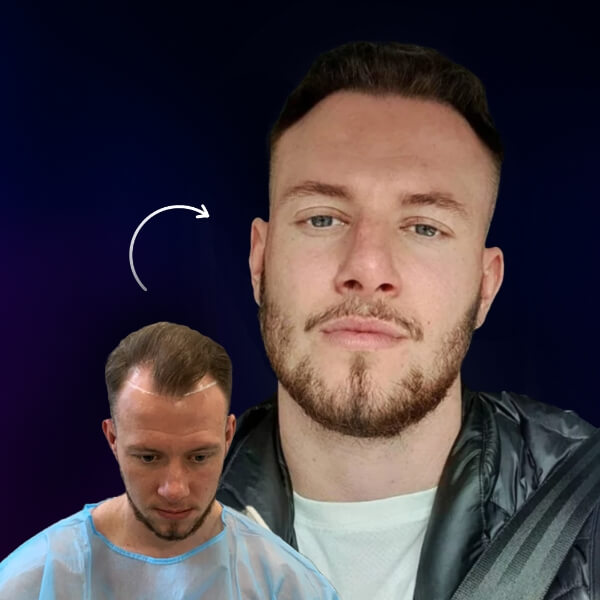
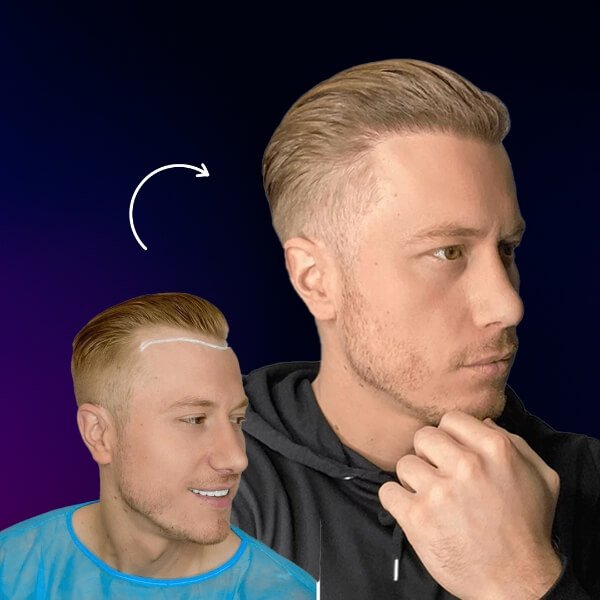
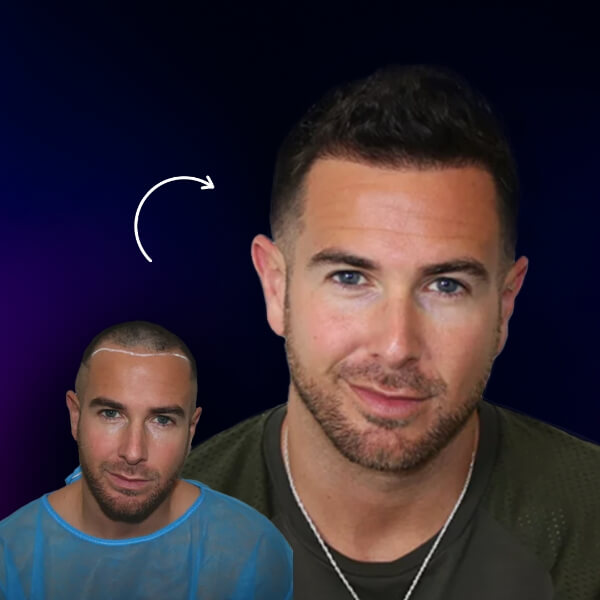
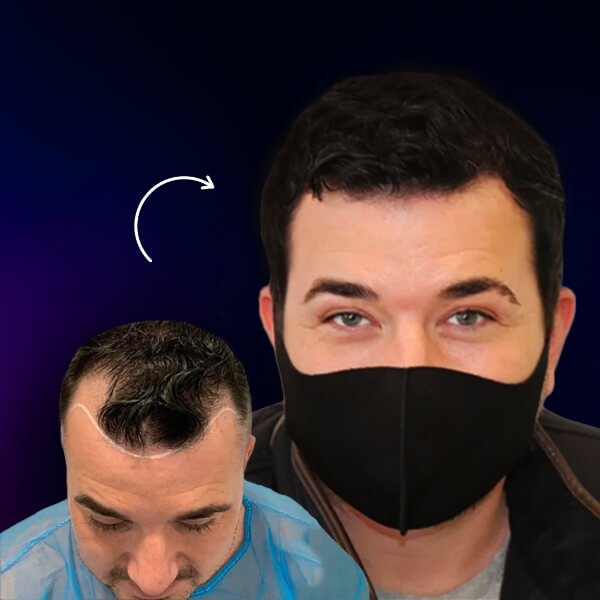
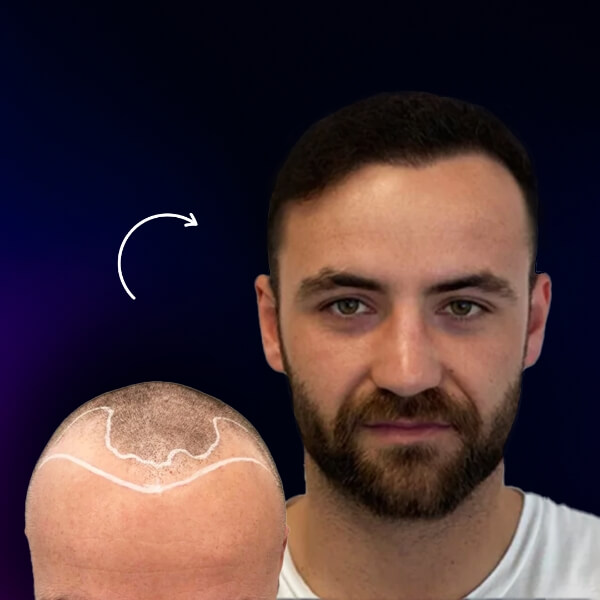
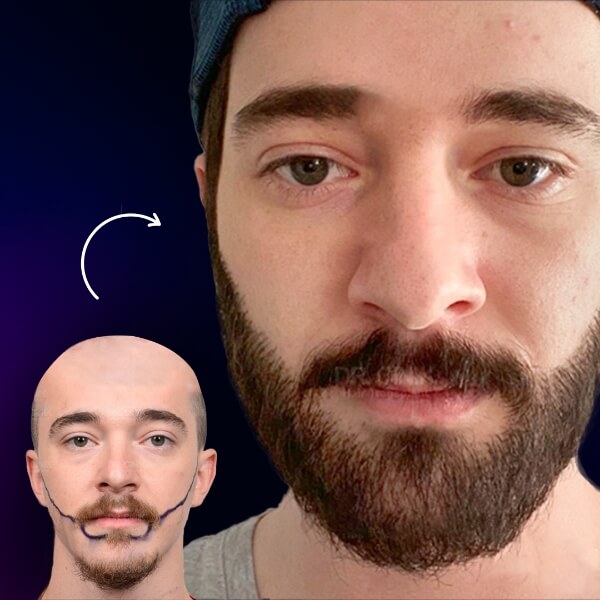
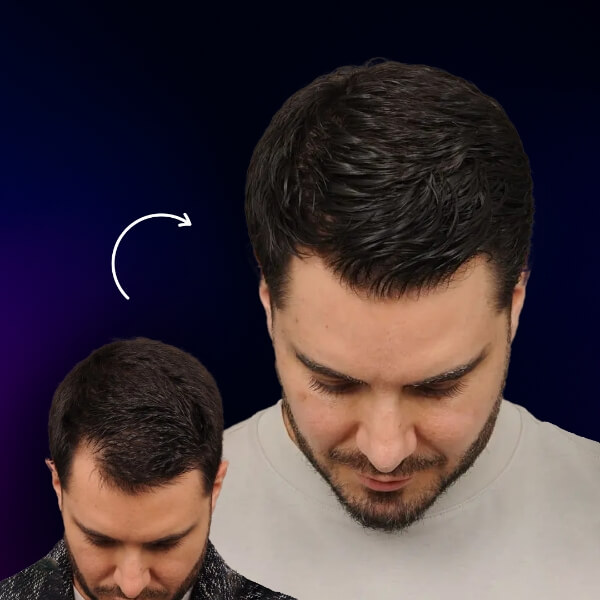
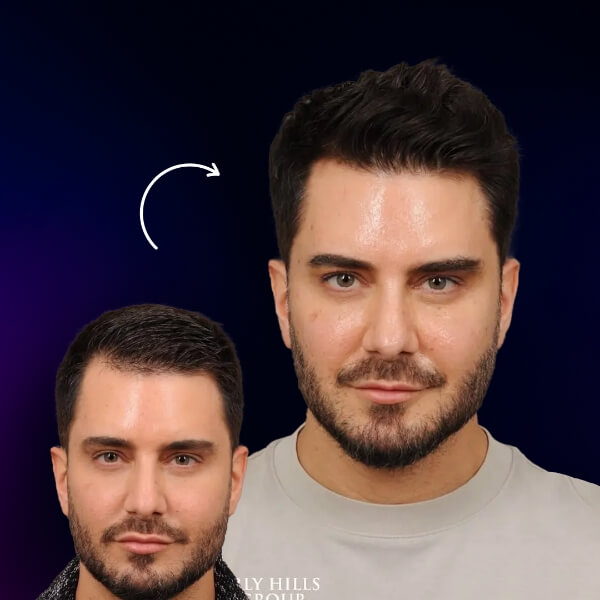
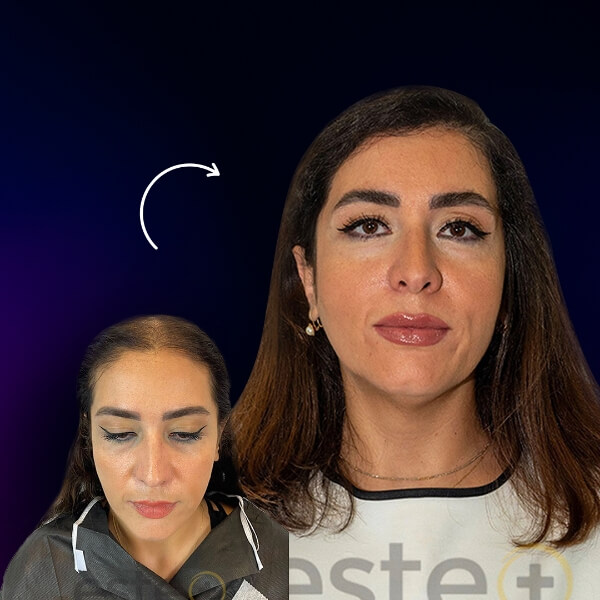
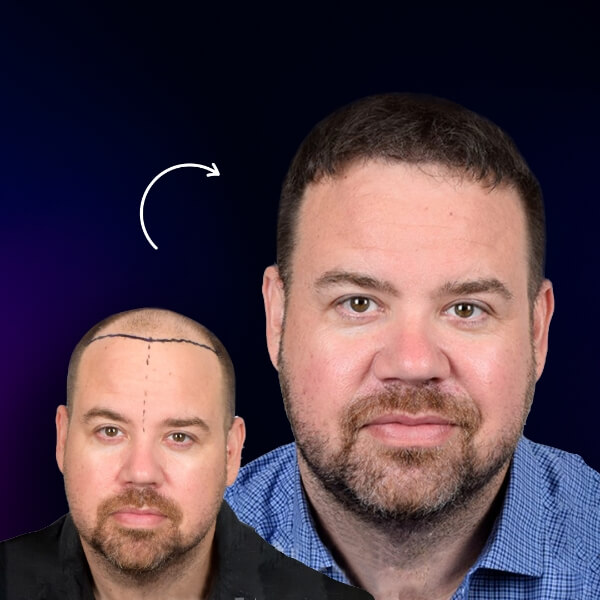
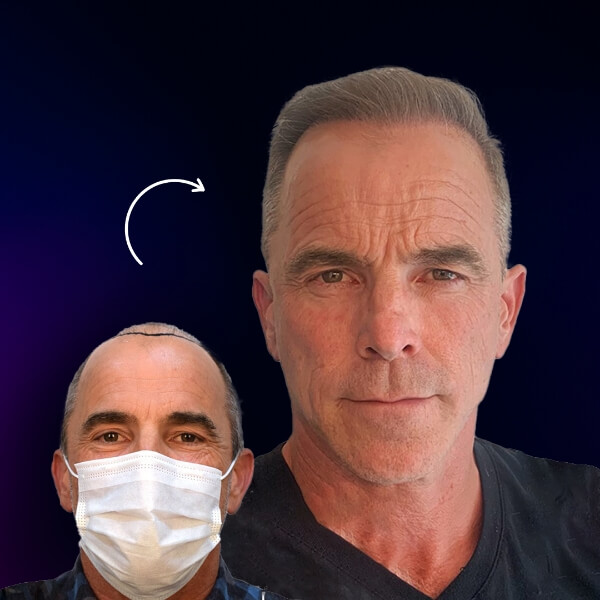
Before & After Results
Real patient transformation cases showing treatment outcomes through carefully documented before & after comparisons across our medical and aesthetic procedures.
+50k
Reviews
Reviews
Join Thousands of Satisfied patients around the UAE
Trending short-form videos where our medical experts lead conversations, explain treatments, and educate audiences with reliable, experience-based knowledge.
Personalized Hair loss Treatments
Hair
transplant
Hair
growth injections
Mesotherapy
Exosome
injections
Low-Level
Laser Therapy (LLLT)
Hair transplant
Hair growth injections
Mesotherapy
Exosome injections
Low-Level Laser Therapy (LLLT)
Personalized Hair loss Treatments
Novomed offers a wide range of hair loss treatments, including:
Exosomes injections
are a relatively new approach to hair loss treatment that shows promise in promoting hair growth. When injected into the scalp, exosome delivers growth factors and other bioactive molecules to hair follicle cells, stimulating their growth and rejuvenation.
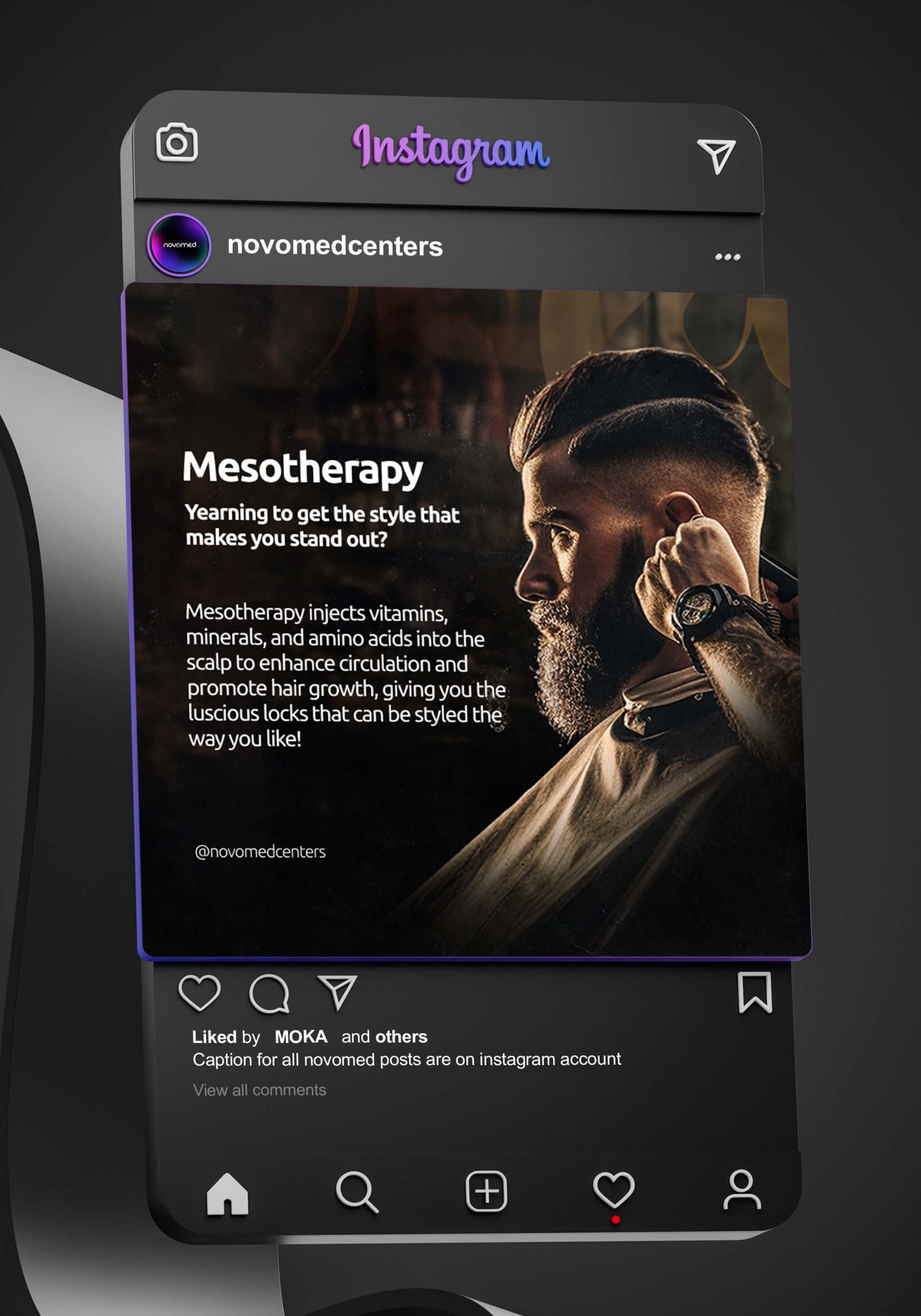
Mesotherapy
Hair Loss Mesotherapy involves superficial insertions of the substances to the scalp which stimulate growth and prevent hair from falling out (mainly anti-inflammatory medicines, vitamins, and nutritive substances). The medicines are selected on an individual basis, to meet the patient’s needs. Scalp mesotherapy is recommended in particular to persons who suffer from losing hair and alopecia.
Low-Level Laser Therapy:
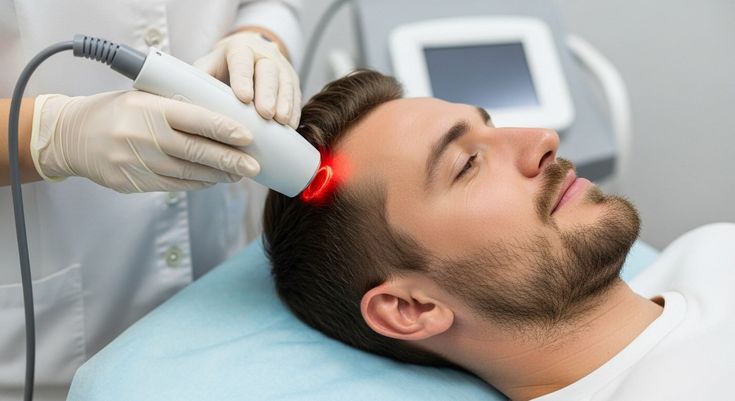
It is a well-tolerated , non-invasive, and clinically proven treatment for stimulating hair follicles to grow fuller and thicker hair. Also known as red light therapy, the powerful clinical-strength laser devices treat hair loss, male pattern baldness and alopecia for both men and women. Laser therapy for hair is widely regarded as a gentle and less invasive procedure than hair transplants.
Hair Transplant
Our advanced hair transplant techniques involve extracting individual hair follicles from your skin, usually the back or side of the head, and transplanting them to another part of your body where hair is weaker or nonexistent. FUE hair transplant has become one of the most commonly used procedures because it is less painful and causes minimal scarring compared to other treatments, and provides aesthetically pleasing results, with the new hair looking thick and healthy.
The sapphire blade hair transplant procedure is a minimally-invasive, advanced hair restoration technique using highly-precise blades crafted from sapphire gemstones.
Key Advantages:
Micro-incisions: Sapphire blades create smaller, sharper channels for follicle placement, leading to:
Faster healing with minimal scarring.
Greater density: more grafts can be implanted closer together.
Reduced trauma: Sapphire’s smooth surface minimizes friction, protecting follicles from damage during extraction and implantation.
Less inflammation: Non-metallic sapphire decreases allergy risk and promotes quicker scalp recovery.
The DHI (Direct Hair Implantation) hair transplant procedure utilizes implanter pens to achieve a minimally-invasive and highly precise hair restoration experience. Imagine tiny, specialized “pens” planting individual hair follicles directly into your scalp, one by one.
Key Advantages:
Simultaneous Extraction and Implantation: DHI pens combine both actions. This eliminates the need for pre-made incisions, minimizing trauma and scarring.
Natural Hair Direction and Density: Implanter pens offer precise control over follicle to precisely determine the angle and depth of each graft, mimicking natural hair growth patterns and achieving a denser, more realistic look.
Reduced Graft Trauma: This translates to better hair growth and a higher success rate for the procedure.
Faster Healing and Shorter Downtime: By eliminating pre-made incisions and reducing trauma to follicles, DHI leads to faster healing times and less downtime.
FUT Hair Transplant
The FUT (Follicular Unit Transplantation) technique, also known as the strip method , is a hair restoration procedure that involves removing a thin strip of scalp from the donor area, typically the back of the head. The strip is then dissected into individual follicular units for implantation in the balding or thinning areas.
Key Advantages:
High graft yield: FUT allows surgeons to harvest a large number of grafts in a single session, making it ideal for extensive hair loss cases.
Efficient use of donor area: By removing a strip, surgeons can maximize follicle extraction from a compact area, preserving donor density.
Natural results: Skilled dissection and placement of follicular units ensure
natural hair direction and growth patterns.
Cost-effective: Typically less expensive per graft compared to more modern techniques like FUE or DHI.
FUE Hair Transplant
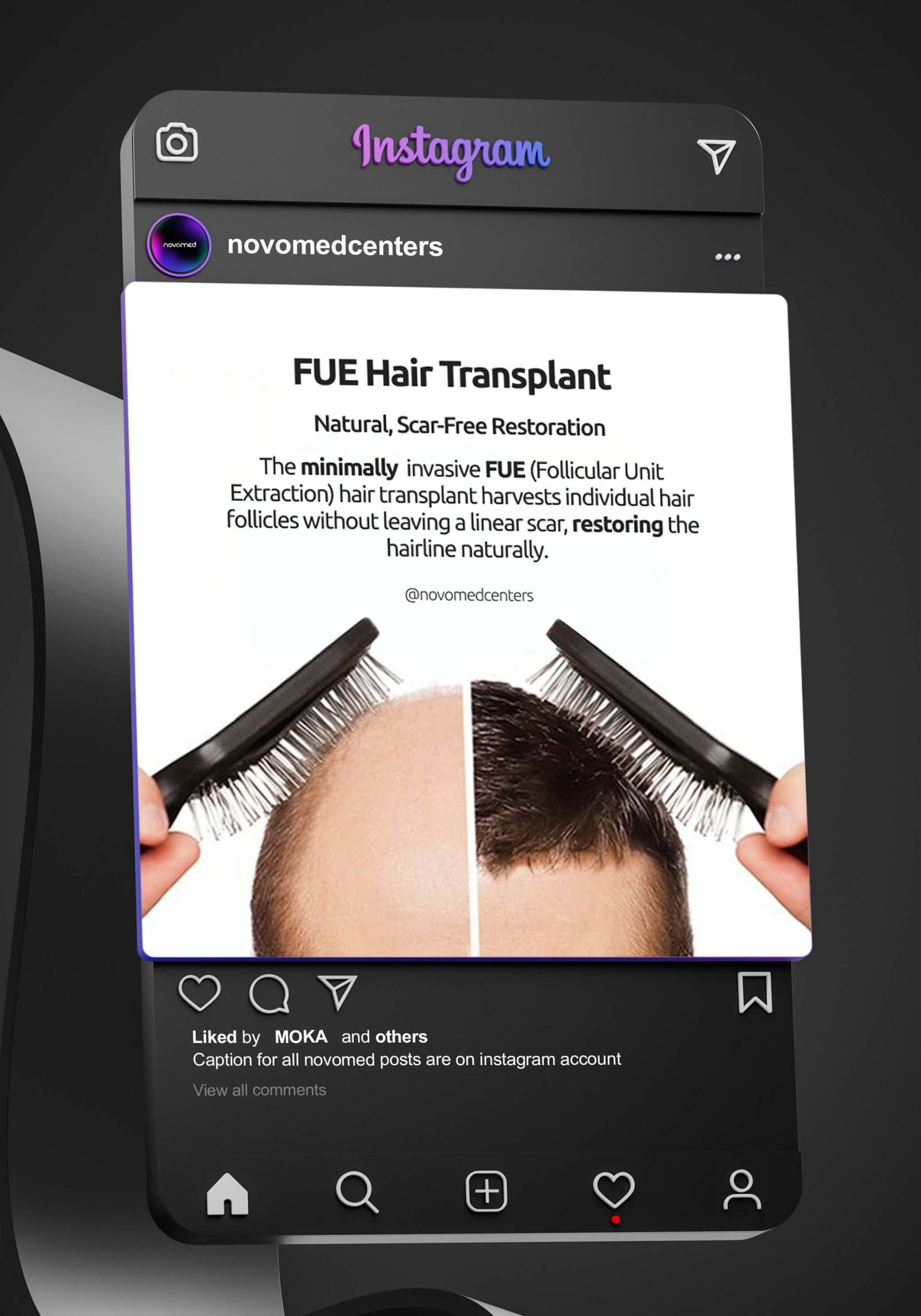
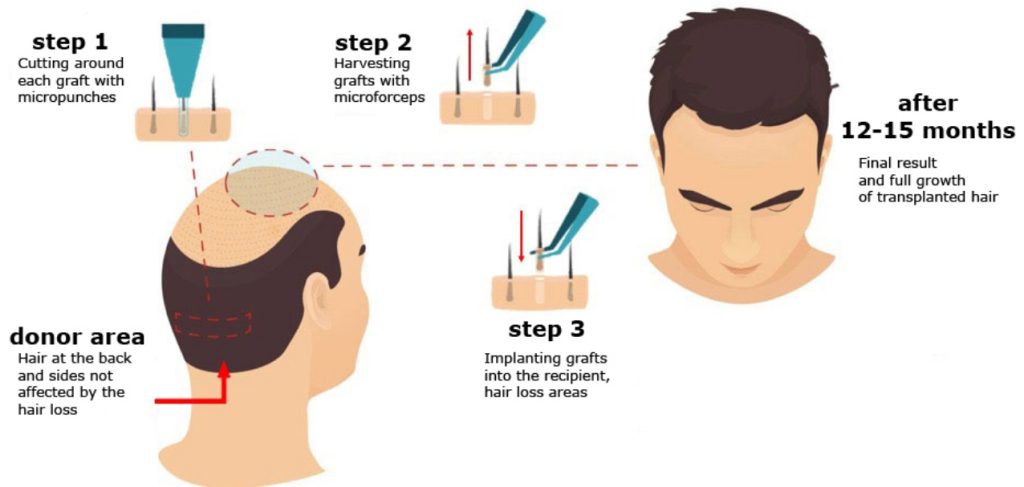
The FUE (Follicular Unit Extraction) hair transplant technique involves harvesting individual hair follicles directly from the donor area using a small, circular punch. It is a minimally invasive procedure that leaves no linear scar, offering more flexibility in hairstyle choices post-recovery.
Key Advantages:
No linear scar: FUE uses tiny punches that heal with minimal scarring, making it ideal for patients who prefer short hairstyles.
Quicker recovery: Smaller wounds in the donor area lead to less discomfort and a faster healing process.
Natural-looking outcome: Follicles are implanted at precise angles and directions for a natural hairline and density.
Versatile donor areas: Follicles can be extracted from the scalp, beard, or body, increasing suitability for patients with limited donor hair.
Micro FUE Hair Transplant
Micro FUE is an advanced version of the traditional FUE method, utilizing ultra-fine punches (often 0.6 to 0.8 mm in diameter) to extract hair follicles with greater precision and minimal trauma. This high-precision technique is ideal for patients seeking maximum density and natural aesthetics.
Key Advantages:
Smaller punches, less trauma: Micro tools reduce tissue damage, enhancing graft survival and donor area appearance.
Higher precision: Enables extraction of high-quality grafts with minimal transection, especially beneficial for delicate zones like the hairline or eyebrows.
Minimal scarring: The tiny size of the incisions leads to faster healing and nearly invisible marks.
Ideal for touch-ups and refinement: Perfect for patients seeking subtle enhancements or correcting previous procedures.
DHI Hair Transplant
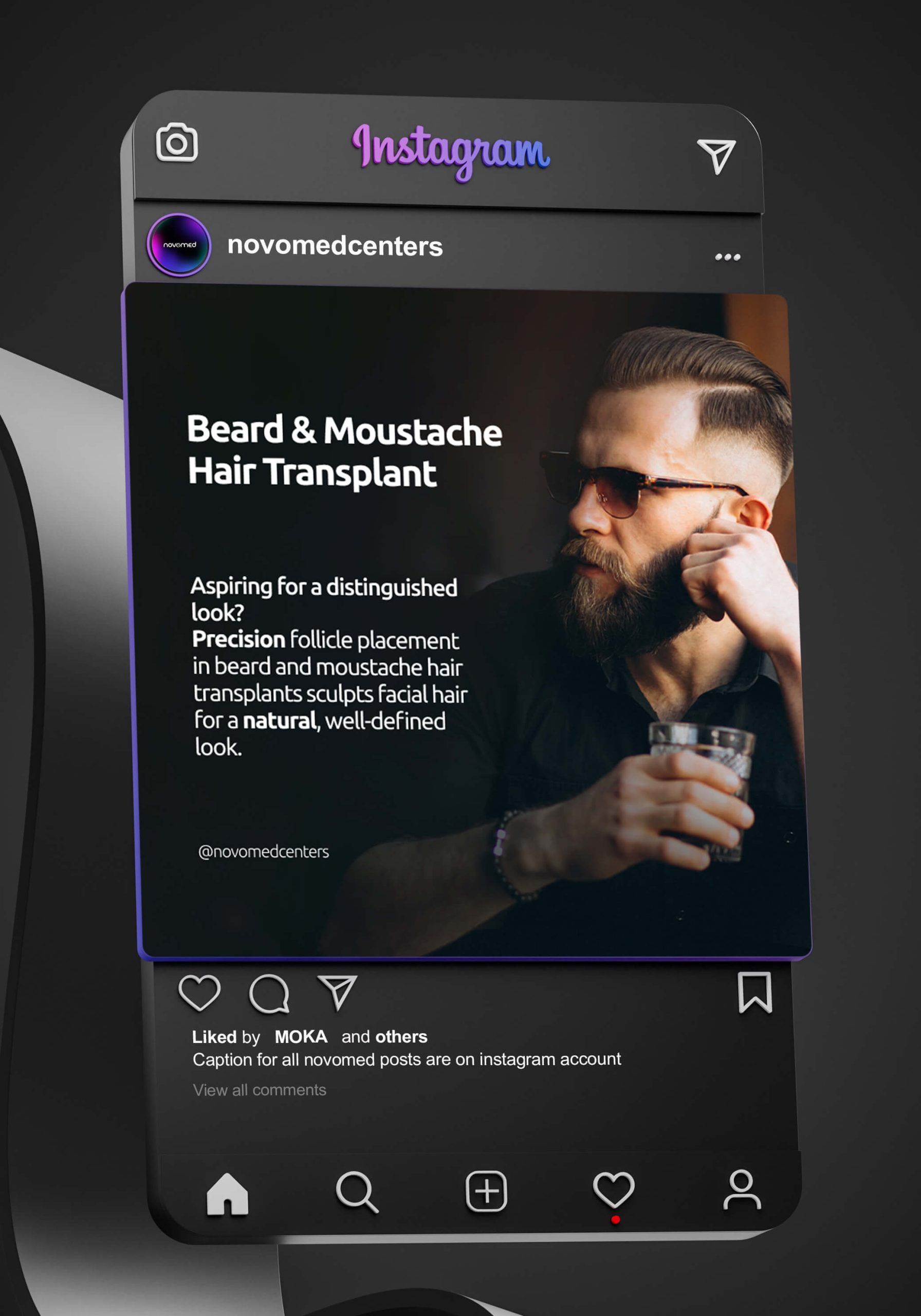
Direct Hair Implantation (DHI) is the latest evolution in hair transplantation. It is a modified version of the FUE (Follicular Unit Extraction) technique, but with a key difference: hair follicles are implanted directly into the scalp using a specialized implanter pen (Choi pen), without the need for incisions or channel creation.
Key Advantages:
Higher graft survival rates
Greater control over angle, depth, and direction of hair placement
Dense, natural-looking results
Faster recovery time
At Novomed, our DHI-certified specialists in Dubai use cutting-edge technology and artistry to deliver personalized results that complement your natural hair pattern and facial features.
Your hair transplant journey is an investment in yourself, and Novomed is committed to making it an unforgettable experience. Here's what sets us apart:
Unwavering Commitment to Quality
We use modern technology and adhere to recognized international quality standards.
Experienced and Compassionate Team
Our hair transplant specialists and staff are dedicated to your comfort and well-being, ensuring you feel supported throughout your journey.
Transparent Pricing
No hidden fees or surprises. Our all-inclusive packages cover everything, giving you peace of mind.
Why choose us for your beauty needs?
We are committed to upholding the highest honesty, integrity, professionalism and ensuring each patient receives a personalized transformative experience.
Personalized Care
Enjoy one-on-one consultations with our experts, who understand your goals, tailor results to your desires, and provide personalized aftercare guidance for sustainable results.
Professional
Benefit from the expertise of our highly skilled professionals who specialize in the latest hair transplant techniques and have performed thousands of transplants with optimal results
Clinical Excellence
Novomed has a track record of successful outcomes and is recognized for delivering transformative results and exceptional patient experiences.
What Our Patients Are Saying
We love our patients and our patients love us!
Jake Paul
Choosing Novomed for my hair transplant was the best decision I ever made. The sapphire pen technique they used made a significant difference in the recovery process. I can’t believe how natural and dense my hair looks now.
Samantha Ray
The Sapphire Pen truly lives up to its reputation. The precision and minimal scarring amazed me. The entire team, from consultation to follow-up, was supportive. I’m thrilled with the results!
May Rose
I wanted a fuller head from the beginning. And my surgeon made it possible. The commitment to achieving maximum density was evident throughout the process and shows in the results!
Zain
The before-and-after photos speak volumes. The expertise of the team in beard transplant added definition to my facial features. I used to be so under confident but now, it’s a whole new chapter!
Rose
No one can tell that I had a hair transplant, thanks to the expertise of Novomed’s hair transplant team. My head is fuller, my hair are healthy and my confidence is back!
Ruba
Novomed’s hair transplant department is dedicated to excellence. The attention to detail and extensive assistance in creating my new hairline were impressive. The Sapphire Pen made the entire process smoother, and the results are fantastic!
Faq’s
what are male hair loss patterns?
There are two main male hair loss patterns:
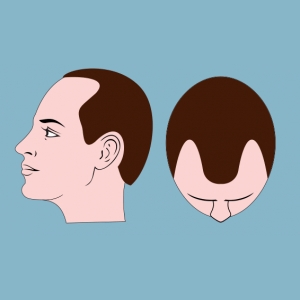
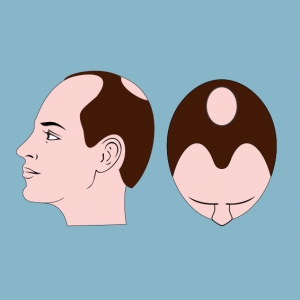
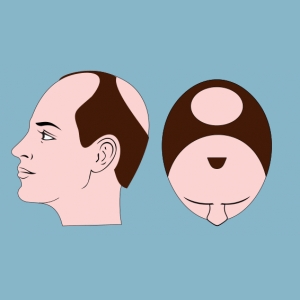
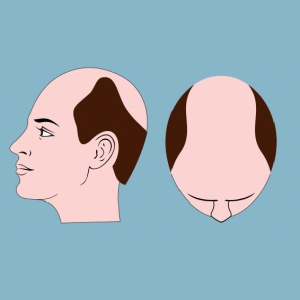
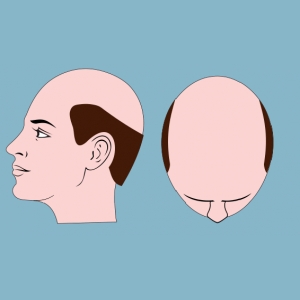
Receding hairline: This is the most common type of male hair loss, and it typically starts at the temples and progresses backwards in an “M” shape. In some cases, the hair loss may also occur on the crown of the head.
Crown thinning: This type of hair loss typically starts on the crown of the head and progresses outwards. It can eventually lead to complete baldness on the top of the head.
The rate and extent of hair loss can vary from person to person. Some men may only experience a slight receding hairline, while others may go completely bald. Hair loss can also start at different ages, with some men noticing it as early as their teens and others not until their 50s.
What are the causes of hair loss?
Genetics: Male pattern hair loss is a hereditary condition, so if your father or grandfather had hair loss, you are more likely to experience it yourself.
Hormones: Androgens, such as testosterone, are responsible for male hair growth. However, a byproduct of testosterone called dihydrotestosterone (DHT) can shrink hair follicles, leading to hair loss.
Age: As men age, their hair follicles naturally become smaller and produce less hair.
Medical conditions: Certain medical conditions, such as thyroid disease and autoimmune diseases, can cause hair loss.
Stress: Severe stress can also lead to temporary hair loss.
What is FUE hair transplant?
Follicular Unit Extraction (FUE) is a hair transplant technique that involves the extraction of individual hair follicles from the donor area and their transplantation to the recipient area. Unlike the traditional Follicular Unit Transplantation (FUT), which involves the removal of a strip of scalp for follicle extraction, FUE is a minimally invasive procedure.
How many hairs will be transplanted?
The number of hairs transplanted will depend on how large your area of hair loss is. If you want to hide a relatively small surgical incision you may only require several hundred grafts. Each one containing between one and four individual hairs. This can be performed in a single session.
For larger areas of hair loss, as is seen with alopecia, you may require up to 3000 individual grafts.
Who is a suitable candidate for a hair transplant?
Ideal candidates are individuals with stable donor hair, good overall health, and realistic expectations. A consultation with a qualified surgeon can determine eligibility based on individual factors.
What is the recovery time after a hair transplant?
Initial recovery may take a few days, with most individuals returning to normal activities within a week. However, strenuous exercises, such as: weight lifting, running and swimming should be avoided for three weeks. Full recovery and the emerge of new hair may take several months.
Is a hair transplantation a painful procedure?
Local anesthesia is used during the procedure, so patients typically experience minimal pain or discomfort. Any post-operative discomfort can be managed with prescribed medications.
Are the results of hair transplant permanent?
Yes, the transplanted hair is long-lasting . However, the success may depend on factors such as the surgeon’s skill, proper aftercare, and the patient’s overall health.
When will the transplanted hair start growing?
New hair growth usually begins within a few months, with noticeable improvements continuing over the next 8 to 12 months.
Hair Transplant Step By Step
Step 1. Harvesting hair
We make it easy for you to find the right help for you. We will start by asking you some questions to identify your needs, preferences, and the issues you are dealing with; Alternatively, you can browse our professionals’ profiles and select the therapist you believe is right for you. Once you match with a therapist, you can schedule a video session at any available slots convenient for you.
Step 2. Grafts processing
The extracted hair follicles are carefully analyzed to ensure their viability and prepare them for implantation.
Step 3. Recipient area preparation
Using fine tools, the surgeon creates tiny recipient sites in the balding or thinning areas where the grafts will be implanted.
Step 4. Grafts implantation
Hair grafts are transplanted to the recipient area/s to restore hair density. Each graft is carefully placed to ensure the correct angle and depth for natural hair growth.
Step 5. Post-operative care
The scalp will be bandaged, and you’ll receive detailed instructions on post-operative care, including pain management and scalp hygiene.
Step 6. Hair growth & results
It’s normal for the transplanted hair to shed within the first few weeks. New hair growth will gradually start within a few months, with full results typically visible within 12-18 months.
1 - 3 Months: Shedding phase
What happens: Transplanted hair may fall out, but this is completely normal. It’s not your new hair being rejected, but rather the follicles entering their natural resting phase before preparing for new growth.
Hair growth: 0% – you won’t see any visible new hair yet.
Tips: Don’t panic! This shedding is temporary and a necessary part of the process. Focus on gentle scalp care and follow your surgeon’s instructions.
4 - 6 Months: Early growth phase
What happens: Fine, wispy hair starts to sprout in the transplanted areas. It might be different in texture and color than your existing hair.
Hair growth: 10-20% – you’ll notice some patchy coverage with thin hair.
Tips: Be patient! The hair will gradually thicken and become more noticeable over the next few months.
8 - 12 Months: Active growth phase
What happens: Hair becomes thicker, longer, and more consistent in texture and color. You’ll see significant progress and increased density.
Hair growth: 50-70% – you’ll be enjoying around half of your final hair density at this stage.
Tips: Celebrate the progress! You’re well on your way to achieving your desired hair goals.